Service & Experience Design
Designing services from the inside out.
- Client
- Growing organisation, B2B and B2C
- Role
- Strategic Service Designer
- Team
- Solo, working with the talent and sales teams
- Date
- January to June 2025



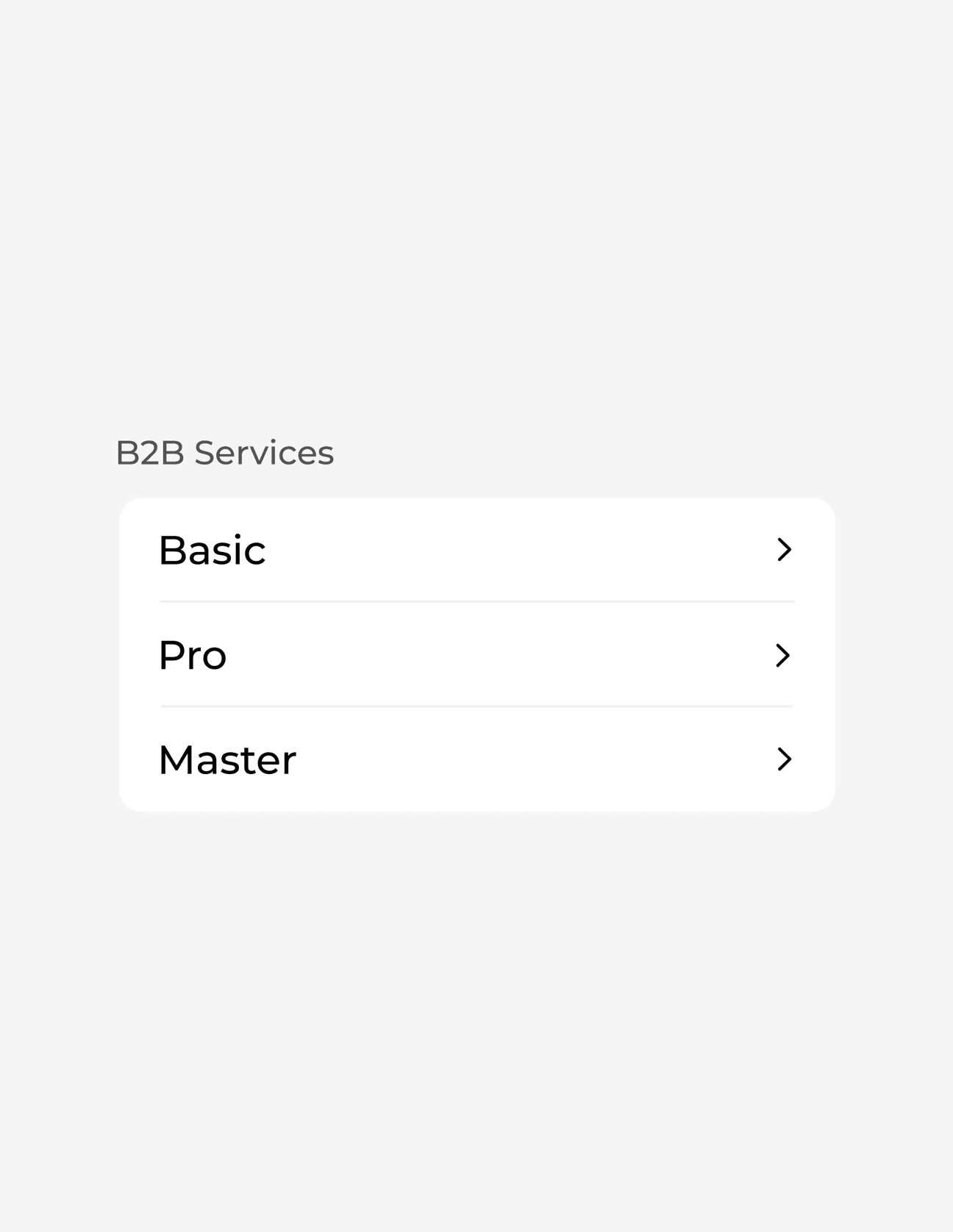
A growing organisation's services had evolved on their own, and its website showed it. Working solo with the talent and sales teams, I mapped every service end to end, then redesigned how the website presents them.
- Decision
- Before crafting a single screen of the digital product, I mapped every service end to end.
- Trade-off
- Months of mapping before anything visible shipped.
- Status
- The redesigned website launched, giving the services a clear front door; the service maps stay as a blueprint the team can grow into.
The challenge
Services that grew on their own
The organisation worked across multiple services and touchpoints, serving both B2B and B2C audiences. Its offering, services and supporting processes had evolved organically over time, which led to fragmented experiences, duplicated effort and misalignment between customer needs, internal operations and communication.
The core challenge was misalignment: services were not always structured around real user needs, internal processes were inconsistently documented, and communication varied across channels and teams. The goal was to understand how services were really experienced end to end, and to bring greater coherence to processes, communication and delivery.
The work
Map first, then design
Rather than fixing isolated touchpoints or delivering a single fixed solution, the work looked at services as a whole and built shared understanding and structures that enable ongoing improvement.
Map services and experiences. Journey maps made customer and employee experiences visible across key services, so pain points, inefficiencies and moments of friction were shared by every stakeholder.
Redesign services and processes. Existing services and internal workflows were reviewed and restructured to align with user needs and business objectives, improving clarity, efficiency and consistency.
Streamline and document processes. Business processes were documented and simplified to reduce ambiguity, support smoother collaboration and give teams a clearer operational baseline.
Align communication and visuals. Visual and written materials were developed so services were clearly and consistently articulated across internal and external channels.
Work across teams. The work was carried out with multiple teams to build shared understanding, consistent messaging and alignment between service intent and execution.
Monitor and evolve. Services and communication strategies were treated as evolving systems, monitored and adapted over time to improve engagement, relevance and satisfaction.
The work progressed to a formal rollout, with a redesigned website that presents the services clearly.

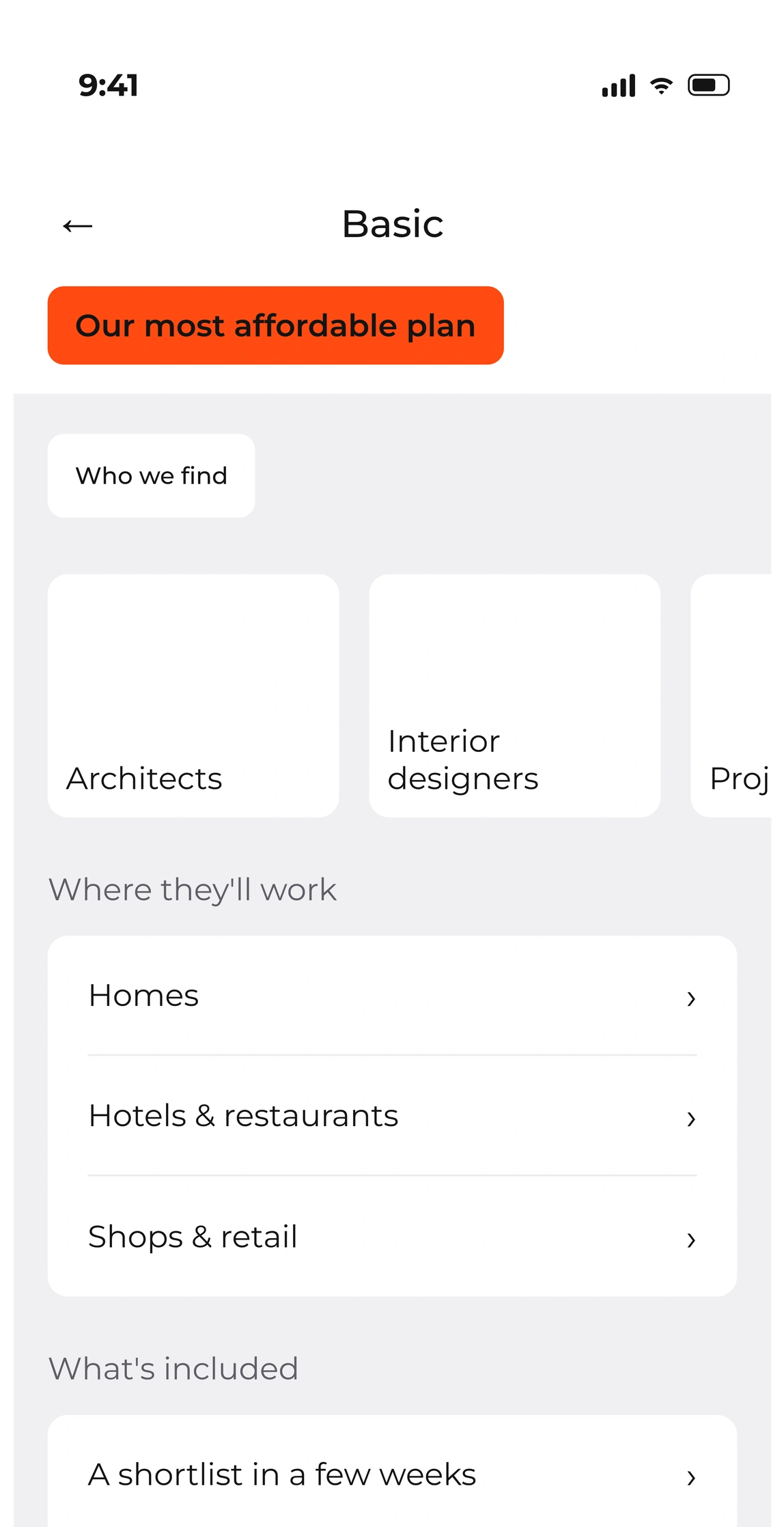
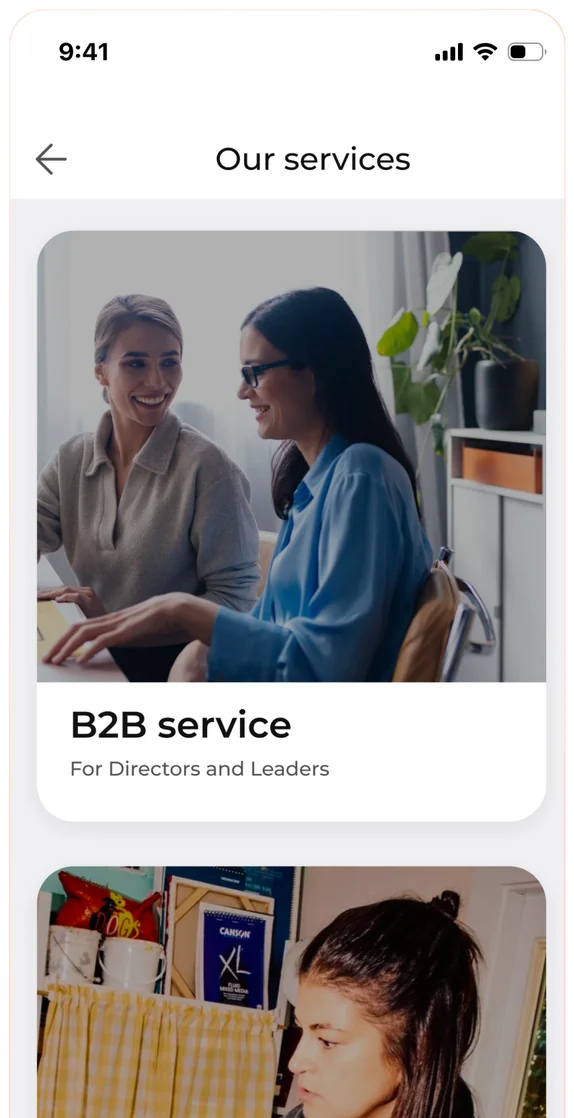
This is where I learned how service design really works: how a business runs, how clients come in, and how a service comes to life behind every screen.